
Get out the colored pencils for this coloring sheet featuring a pig and piglet
 Author Mathias
 A pig coloring page is a simple, friendly drawing of a pig designed for children to color, decorate, and make their own. This pig image can be presented as a single scene or part of a set, and each coloring page offers clear outlines and fun details that invite creativity. Whether a child wants a realistic pig or a whimsical, smiling pig with a bow, these pages make it easy to explore color, pattern, and imagination while staying relaxed and focused.
These coloring pages are suitable for toddlers, preschoolers, and older kids—each can enjoy the same pig designs at different levels. Young children practice grip and color recognition, while older kids can experiment with shading, background scenes, and storytelling. Use them at home for quiet time, in the classroom for a themed lesson about farm animals, in homeschool routines to support literacy and science, or on travel days to keep little hands busy. Beyond fun, a pig coloring page supports fine motor development, concentration, vocabulary (talking about pigs, habitats, and sounds), and creative expression. The tone here is welcoming and practical: these pages are tools for play and learning that encourage curiosity and calm, one pig picture at a time.
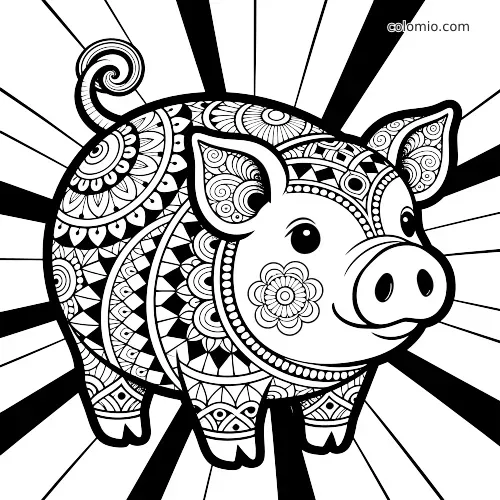
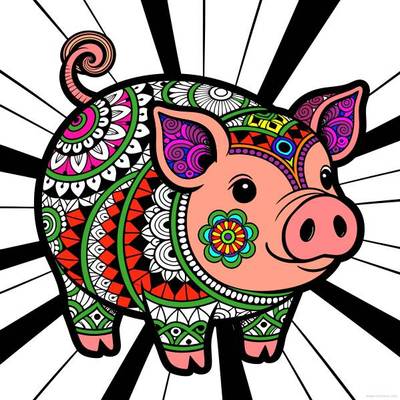
Cute zentangle pig with sunburst – colored in by the community
-
 17 Likes

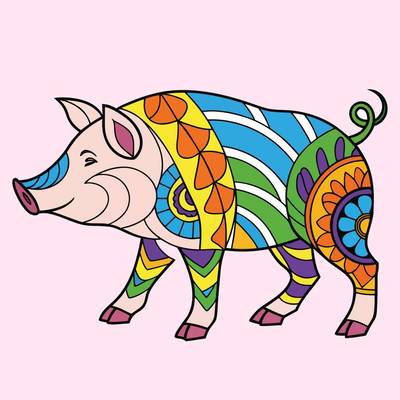
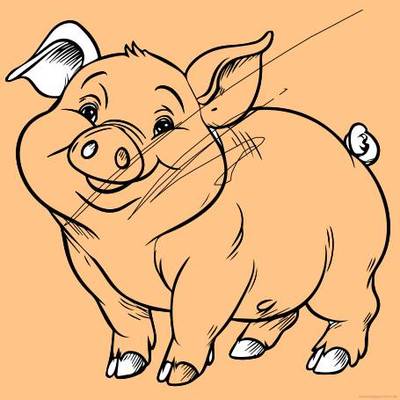
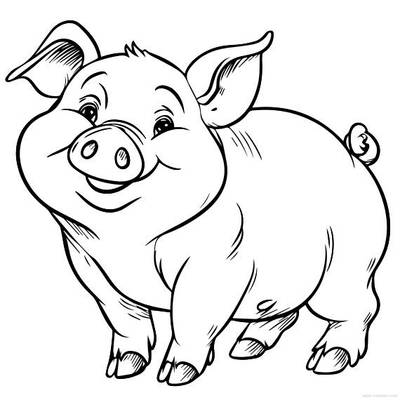
Simple side-view zentangle pig – colored in by the community
-
by manfred
 18 Likes

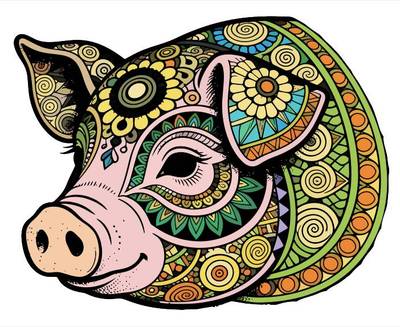
Close-up zentangle pig portrait – colored in by the community
-
by sasi
 9 Likes

Wild boar and piglet in the woods – colored in by the community
-
by benni
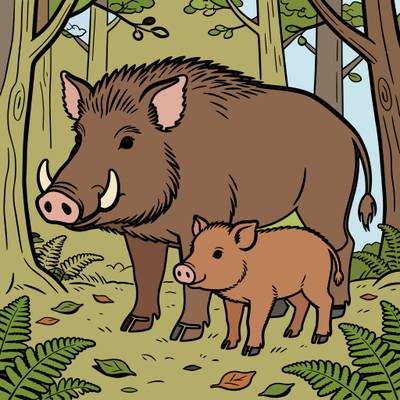 22 Likes

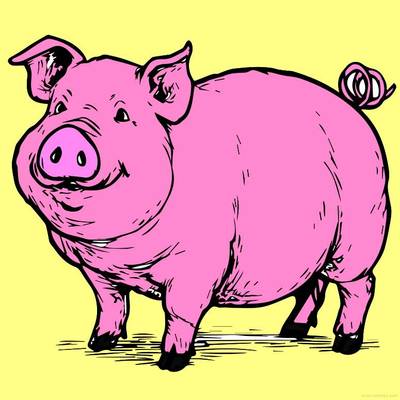
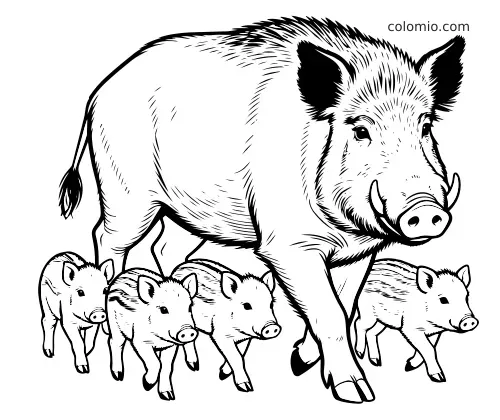
Detailed wild boar with piglets – colored in by the community
-
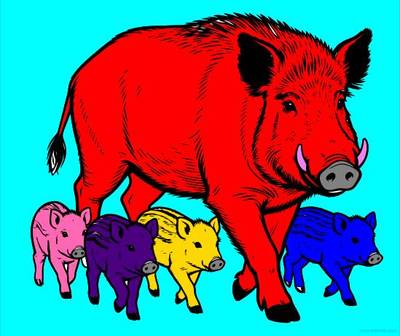 1 Likes

Cute wild boar and piglet – colored in by the community
-
by benni
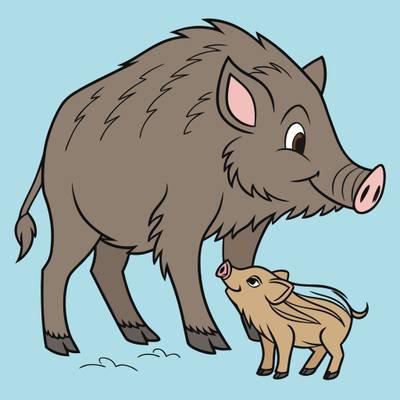 4 Likes

Simple wild boar with one piglet – colored in by the community
-
by magnus
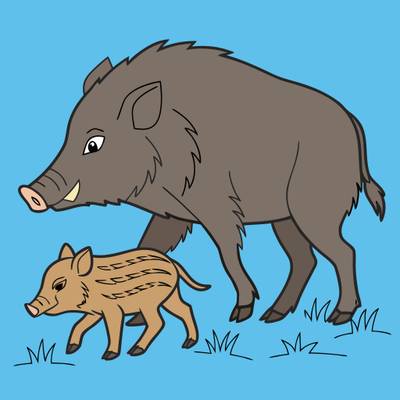 6 Likes


Simple side view pot bellied pig – colored in by the community
-
by Ida
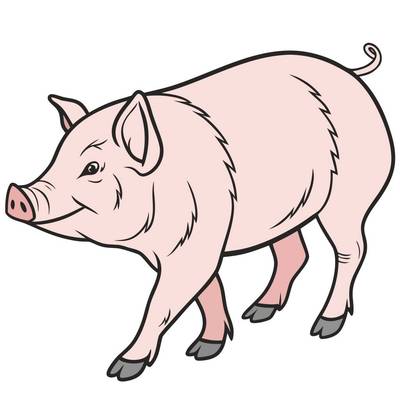 7 Likes

Cute cartoon piggy bank – colored in by the community
-
by Fenna
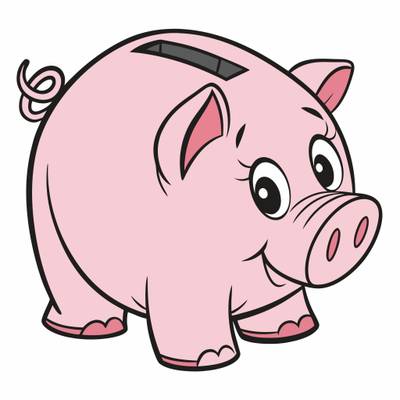 2 Likes

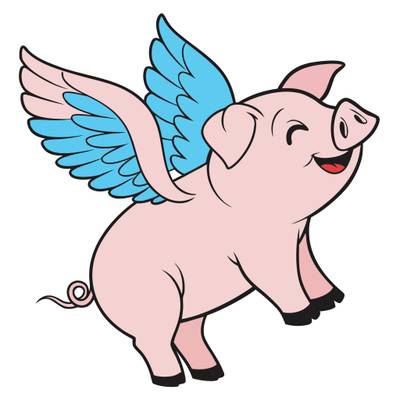
Cute flying pig with wings – colored in by the community
-
by luca
 6 Likes
What Colors Does a Pig Need? Simple Tips for a Neat, Realistic Farm Friend
Pigs are fun to color because they have smooth skin, a round body, and cute details like the snout and curly tail. To make a pig look real, focus on gentle shading and keeping the shapes clean and easy to see.
Quick goal: A realistic pig usually looks best with soft pinks, warm grays, and light browns, plus slightly darker shading in folds and shadowy spots.
What to Pay Special Attention to While Coloring
- Snout details: Color the snout a little darker than the face, and keep the two nostrils clear so they stand out.
- Ears: Pig ears often look slightly darker inside. Add a light shadow near the ear base where it meets the head.
- Skin folds and wrinkles: Use a slightly darker shade along belly lines, around the neck, and where legs bend. Keep it soft—no harsh stripes.
- Hooves: Hooves are usually darker than the legs. Color them carefully so the pig doesn’t look like it’s wearing socks.
- Curly tail: Follow the curve with your coloring strokes. A tiny shadow under the curl helps it look round.
- Light direction: Choose one side to be a little darker (like the belly and the side away from the “sun”) to make the pig look 3D.
Realistic Pig Colors (with Helpful Swatches)
| Part of the Pig | Realistic Color | Swatch |
|---|---|---|
| Body (common farm pig) | Soft Pink | #F4B6C2 |
| Body shading (folds, belly shadows) | Dusty Rose | #D98C9A |
| Snout (slightly darker than face) | Warm Pink | #E79AA7 |
| Inner ears | Light Rose | #EFB0BC |
| Hooves | Charcoal Gray | #4B4B4B |
| Eyes (pupil) | Black | #111111 |
| Eye highlight (leave uncolored) | White | #FFFFFF |
| Body (some pig breeds) | Warm Light Gray | #CFCAC6 |
| Body (some pig breeds) | Light Brown / Tan | #D2B48C |
Helpful Hints for Clean, Realistic Coloring
- Color the big body areas first, then do small parts like the snout, hooves, and eyes last.
- Use light pressure at the start. It’s easier to make a color darker than to fix a spot that is too dark.
- For soft shading, lightly layer the darker shade near folds and under the belly, then blend by coloring gently back into the main body color.
- Keep the outline tidy by coloring from the edge inward with short, careful strokes.
Parent/teacher note: For younger children, offering just two pinks (one light, one darker) plus a dark hoof color helps them get a realistic pig without feeling overwhelmed.

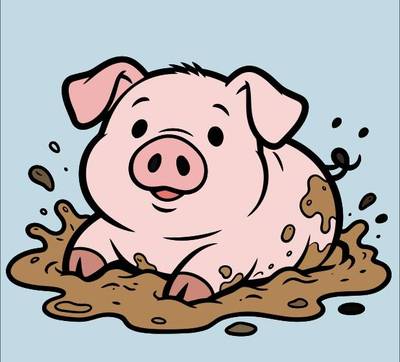
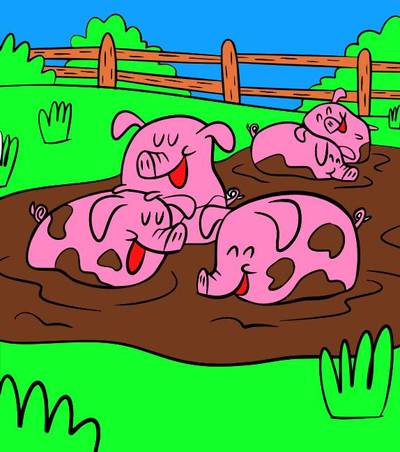
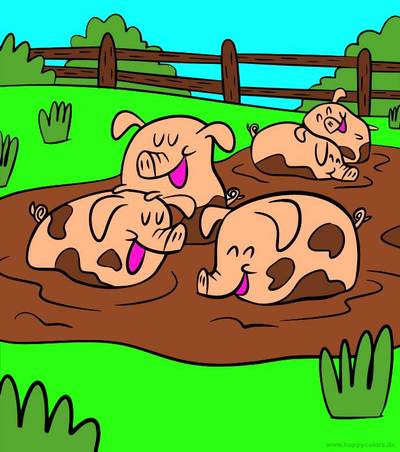
Cute front-view pig in mud – colored in by the community
-
by Nora
 10 Likes

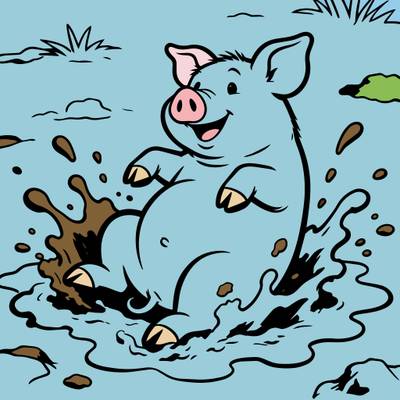
Happy pig splashing in mud – colored in by the community
-
by Fenna
 7 Likes

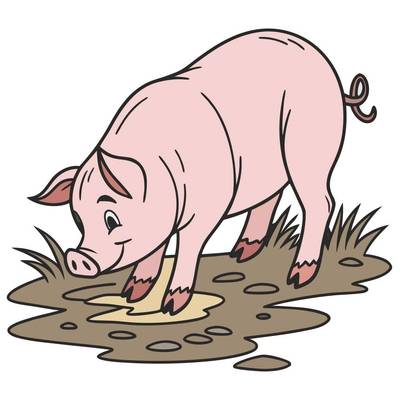
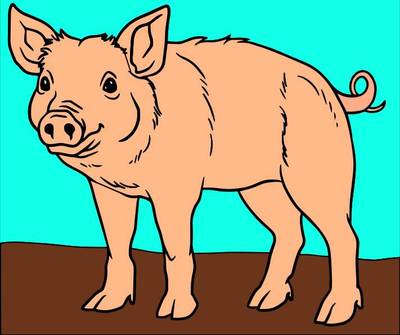
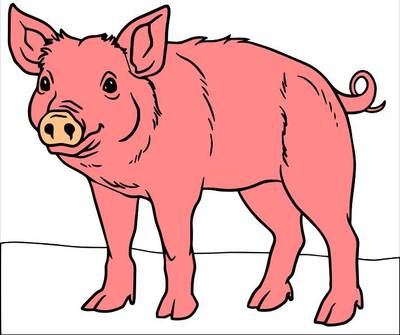
Simple side-view pig in mud – colored in by the community
-
by Fenna
 3 Likes
-
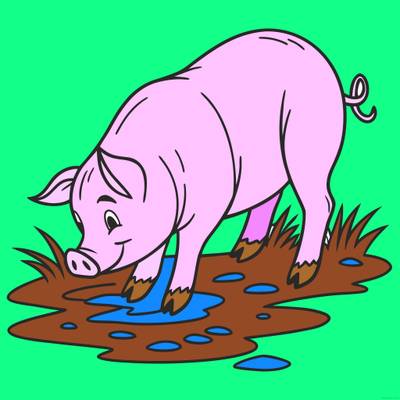 2 Likes

Pig with two piglets outline – colored in by the community
-
by Lena
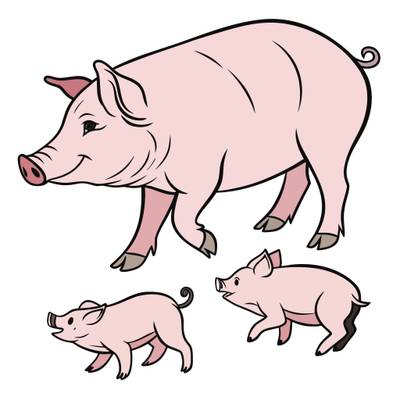 5 Likes
Snip, Stick, Oink! Easy Pig Crafts to Try
Make a Pop-Up Pig Snout!
✂️ You need: pig coloring page, crayons or markers, scissors, glue stick, pink paper (or cardstock), black marker, small strip of paper
- Color the pig and cut it out with help.
- Cut a pink circle for the snout and draw two nostrils.
- Fold a small paper strip into a spring and glue it behind the snout.
- Glue the spring onto the pig’s face so the snout pops out.
💡 Supports: fine motor skills, creativity, following steps
Toilet Roll Pig Puppet
✂️ You need: empty toilet paper roll, pink paint or paper, glue, scissors, pig coloring page (for the face), black marker, yarn or pipe cleaner (tail)
- Cover the toilet roll with pink paint or wrap it with pink paper.
- Color and cut out the pig’s face from the coloring page.
- Glue the face on the roll and add paper ears on top.
- Twist yarn or a pipe cleaner into a curly tail and glue it on.
💡 Supports: hand strength, imagination play, coordination
Classroom Pig Pen Wall Mural
✂️ You need: several pig coloring pages, crayons or markers, large paper (or poster board), glue, brown paper strips (or craft sticks), green paper scraps
- Color lots of pigs and cut them out.
- Glue the pigs onto a big sheet to make a farm scene.
- Add a “pen” using brown paper strips like a fence.
- Stick on green paper scraps for grass and name the mural.
💡 Supports: teamwork, planning, creativity
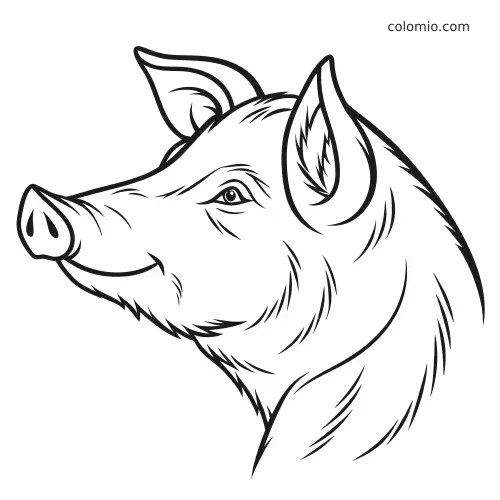
Detailed pig head portrait – colored in by the community
-
by femke
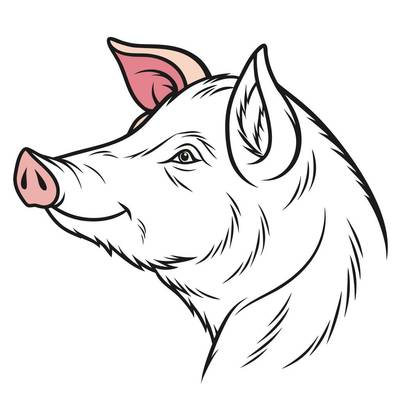 0 Likes

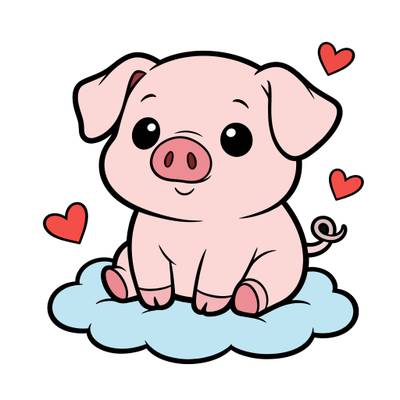
Kawaii pig sitting on a cloud – colored in by the community
-
by lucie
 1 Likes

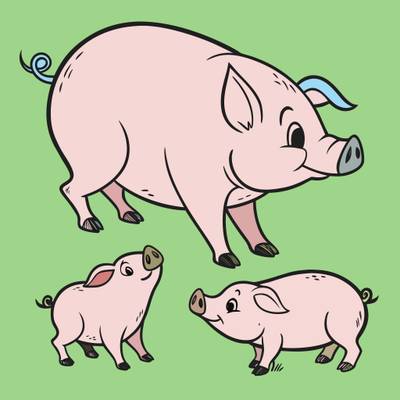
Simple outlined pig family – colored in by the community
-
by luca
 6 Likes

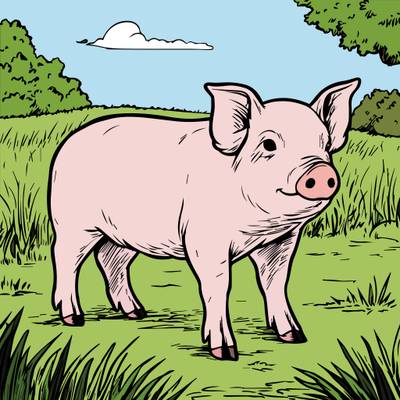
Adorable pig in a field – colored in by the community
-
by Alva
 8 Likes
Did You Know? 5 Snort-tastic Facts About Pigs
Pigs Don’t Sweat Like People!
Pigs have very few sweat glands, so they cool off by resting in shade, splashing in water, or rolling in mud to stay comfy on hot days. National Geographic
Their Snouts Are Super Tools
A pig’s snout is strong and sensitive, perfect for rooting in the ground to find tasty snacks like roots and bugs—almost like having a built-in shovel and “smell sensor.” Smithsonian Magazine
Pigs Can Learn Tricks
Many pigs are smart learners—they can remember routines, solve simple puzzles, and even learn fun training games when people use gentle practice and treats. Science News for Students
Wild Pigs Live in the U.S.
In some U.S. states, wild pigs (also called feral hogs) roam forests and fields. They can spread quickly, which is why wildlife experts work to protect habitats from too many of them. U.S. Fish & Wildlife Service
Piglets Have a Milk “Line”
When piglets nurse, they often pick one special spot and try to use the same one each time—like having a favorite seat at the table! Wikipedia

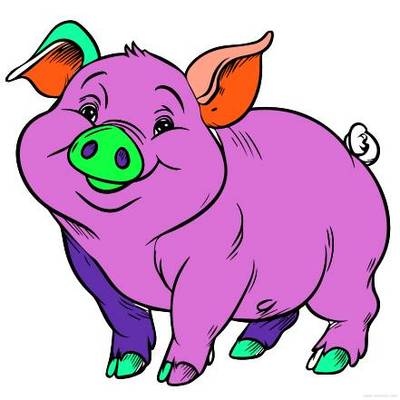
Happy cartoon pig – colored in by the community
-
 2 Likes
-
 0 Likes
-
 0 Likes

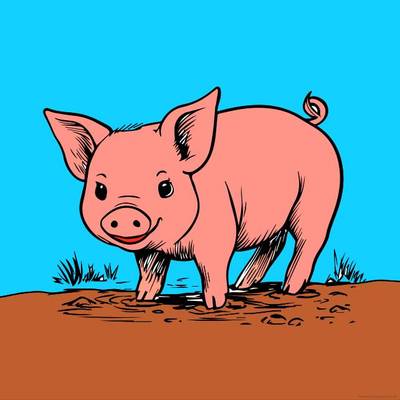
Funny piglet illustration – colored in by the community
-
 0 Likes

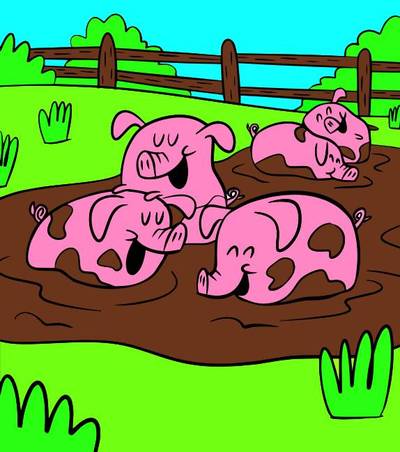

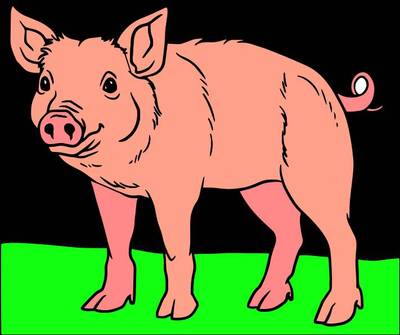

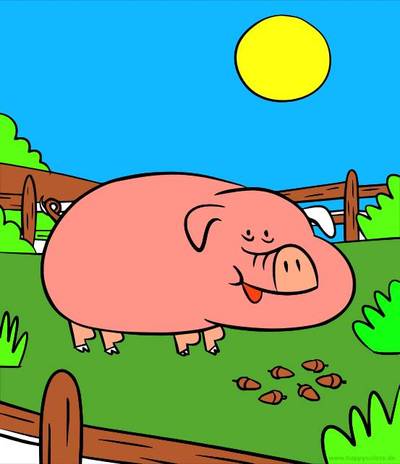
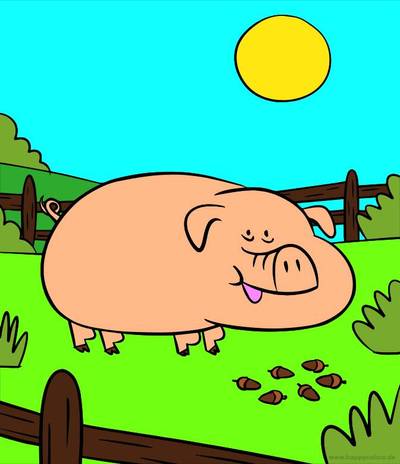
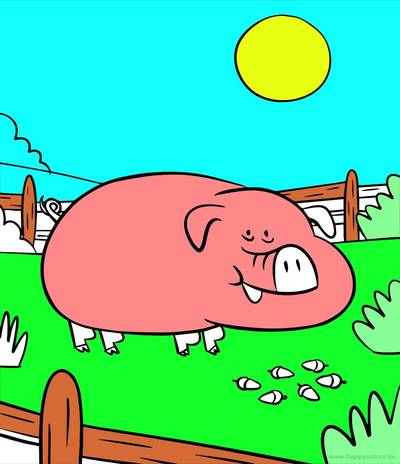
Big pig with acorns – colored in by the community
-
 1 Likes
-
 1 Likes
-
 0 Likes

Sow with piglets – colored in by the community
-
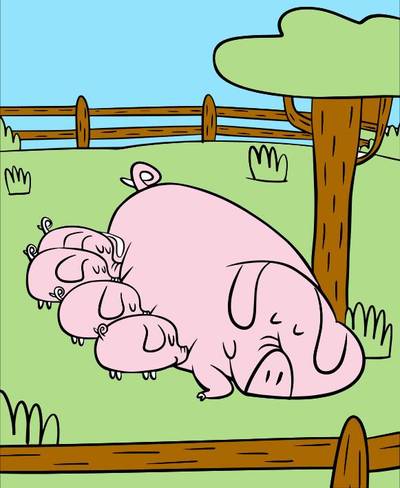 2 Likes
-
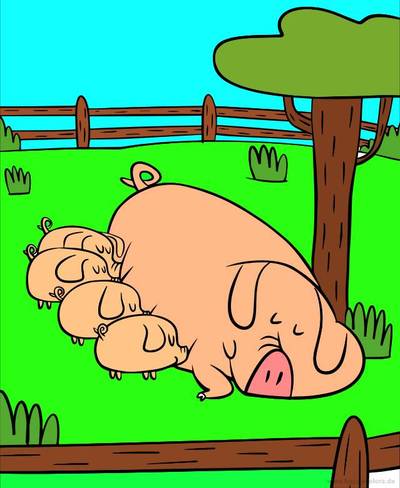 1 Likes
-
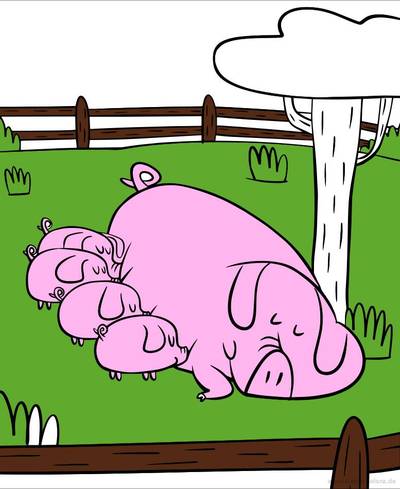 0 Likes

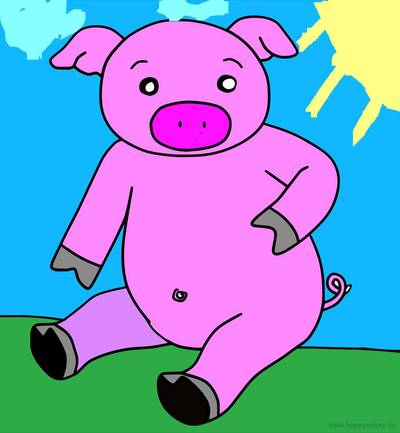

Sow with Piglet – colored in by the community
-
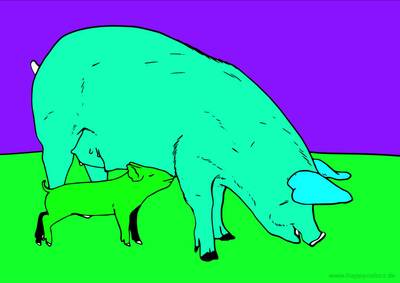 0 Likes
-
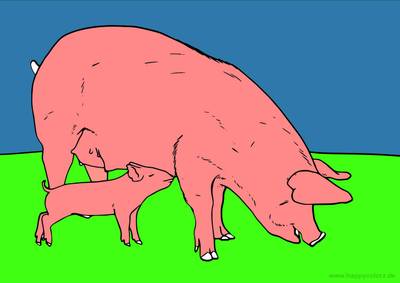 0 Likes

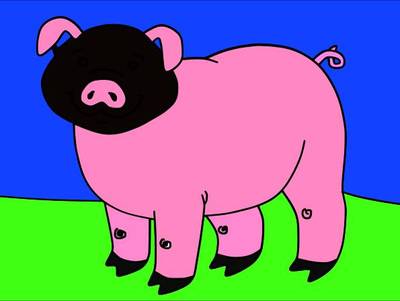

Pair of piglets – colored in by the community
-
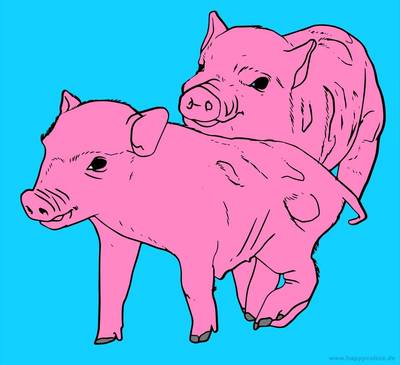 3 Likes
-
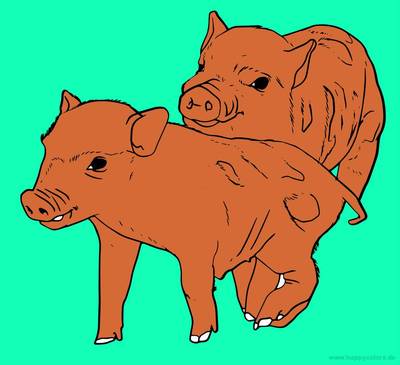 0 Likes
-
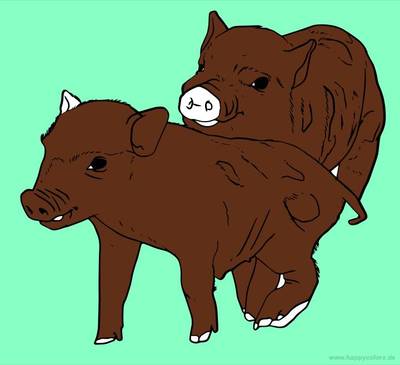 0 Likes

Funny piglet – colored in by the community
-
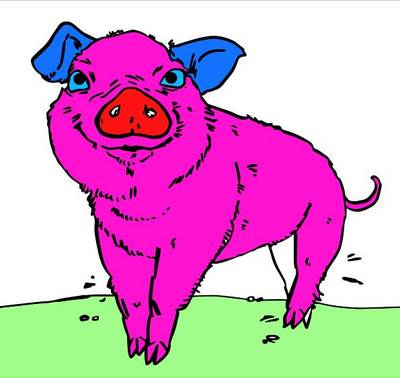 1 Likes
-
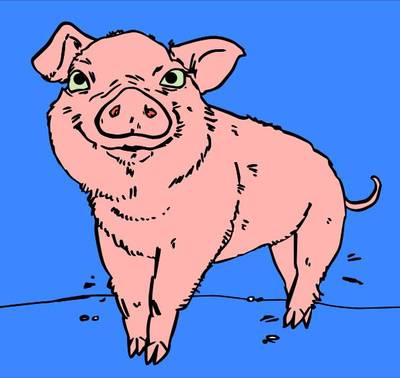 0 Likes
-
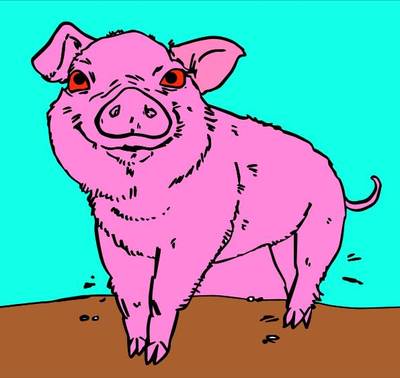 0 Likes

🎨 New coloring pages by email
Regularly get new free coloring pages straight to your inbox – no spam, unsubscribe anytime.
You’ll first get a confirmation email (double opt-in). Unsubscribe anytime with one click. Privacy Policy
Why Kids Love These Pig Coloring Pages
- Pig coloring pages help children develop fine motor skills and hand-eye coordination as they practice staying inside lines and selecting colors.
- They build vocabulary and observation skills when kids name pig parts, colors, and farm items while they color.
- Parents and teachers can quickly print multiple pigs for group activities, lessons, or take-home projects at no cost.
- As a screen-free activity, coloring pig sheets provides calm, focused time that sparks imagination and pairs easily with storytelling or role play.
Creative Ideas & Activities
- Make pig puppets by coloring a pig, cutting it out, laminating or gluing to cardboard, and attaching a popsicle stick for simple dramatic play.
- Create a set of emotion pigs by drawing different facial expressions on several prints, then use them to prompt storytelling or social-emotional lessons about feelings.
- Build a farm diorama by painting a shoebox background, cutting out colored pig pages, and arranging them with paper barns and fences to create a mini scene.
- Turn pigs into a counting game by adding numbered spots or stickers and asking children to sort, add, or subtract using colored counters or beans.
- Make a texture collage by gluing cotton balls, felt, or sand onto a pig outline to explore sensory materials and describe how each texture feels.
- Convert a pig page into a color-by-number activity: assign numbers to colors and have children follow the guide to practice number recognition and color matching.
- Use pig silhouettes for a matching game: cut printed pigs into silhouette cards and have kids match outlines to the full-color versions to build visual discrimination.
- Create a classroom bulletin board where each child colors a pig and writes a short fact or adjective about themselves beneath their pig to celebrate individuality.
Frequently Asked Questions
Are these pig coloring pages free to download and print?
Yes, all coloring pages on this page are free to download and print. You can save and print as many pig pages as you need for home or classroom use.
What file formats are the coloring pages available in and how should I print them?
The pages are commonly available as PDF and JPG files for easy downloading and printing. For best results, use the PDF for crisp lines, print at standard letter size, and set your printer to actual size or fit-to-page depending on the layout.
What ages are these pig coloring pages suitable for?
These pig pages are suitable for a wide range of ages, from toddlers and preschoolers to early elementary students. Simpler, larger-outline pigs work well for younger children, while more detailed illustrations suit older kids.
Can I use the pig coloring pages in my classroom or kindergarten?
Yes, you may use the coloring pages in classrooms and kindergarten settings; classroom use is allowed and free. They are great for group activities, lesson supplements, and take-home projects for students.
How can I get the best coloring results with crayons, markers, or paint?
For crayons and colored pencils, use medium-weight paper or cardstock to prevent tearing and to allow layering of color; markers and paint work best on heavier paper to avoid bleed-through. Test materials on a spare print, use a scrap backing under the page when painting or using markers, and encourage children to press lightly with markers for blending and control.


